Karnivool took 13 years to make In Verses. Here's why that matters.
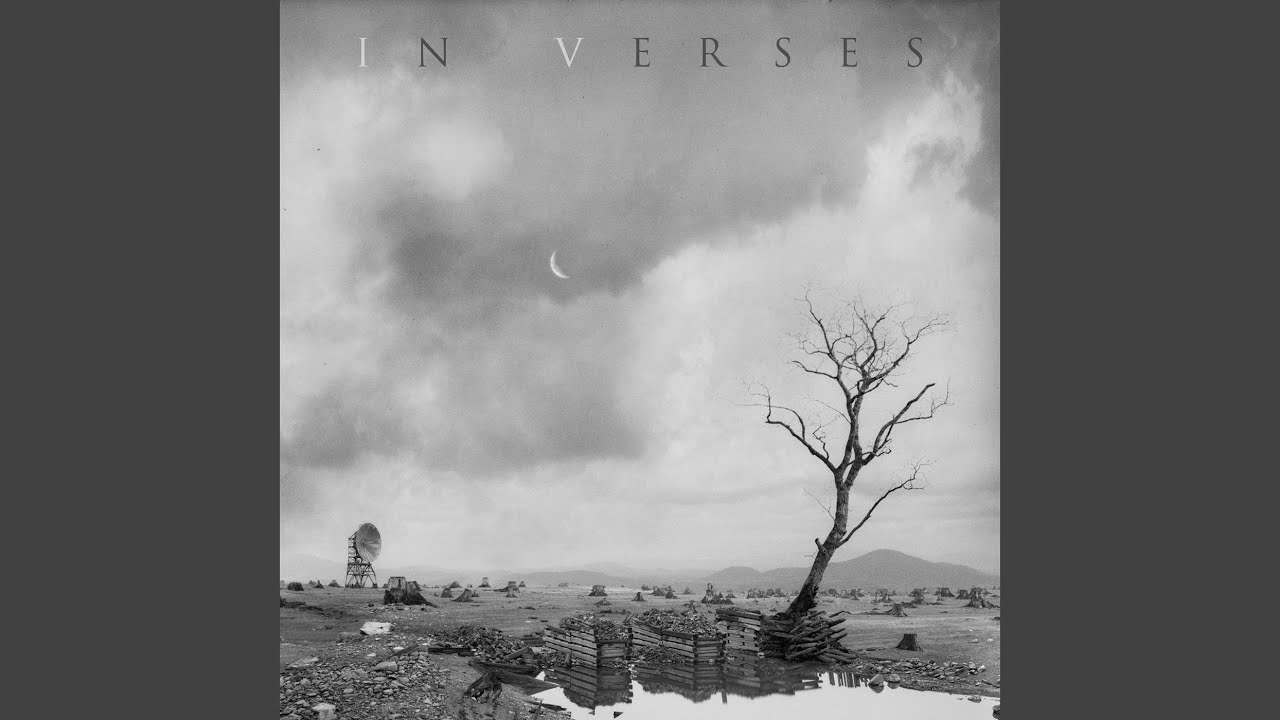
Most bands don't survive a 13-year gap between albums. Karnivool almost didn't.
The Perth five-piece released Asymmetry in 2013 to an ARIA Award and a number-one chart position, then went quiet. Not the kind of quiet where a band teases cryptic social media posts every six months. The kind where fans genuinely wondered if the band still existed.
In Verses, released on February 6, 2026, answers that question. But the more interesting answer is in what the album reveals about how the gap nearly destroyed them, and why the record sounds the way it does because of it.
The gap wasn't a plan
Karnivool entered Foxhole Studios in Perth in 2019 to start recording. That's already six years after Asymmetry. Vocalist Ian Kenny told ABC News that the album "wasn't a full-time, worked-on project. It was done in bits and pieces, a patchwork." Between Kenny's commitments to Birds of Tokyo, guitarist Drew Goddard's health issues around 2020, and the reality of five adults with families trying to coordinate studio time, progress came in bursts separated by long silences.
Goddard was candid about how close the band came to falling apart. "There were definitely times where if we had have really pushed and really dug our heels in, I think the band would have imploded," Kenny admitted in the same interview. The breaking point never came, but it hovered.
What pulled them back was a 2023 European tour celebrating Sound Awake's 10th anniversary. Playing those songs to packed rooms reminded them why they started. "The crowds were so happy and we were playing so well," Goddard recalled. "I think all we needed was just a bit of momentum again and the belief we could get it done."
Six of ten tracks existed for a decade
Here's the detail that changes how you hear In Verses: according to The Livewire, six of the album's ten songs had been played live in some form since at least 2015. "All It Takes" was released as a single in December 2021, nearly five years before the album dropped. "Aozora" goes back even further.
This means In Verses isn't really a "new" album in the way most records are. It's an archaeological project. These songs were road-tested, reworked, abandoned, and rebuilt across a full decade. Producer Forrester Savell, who also helmed Sound Awake, came to Perth in mid-2024 and told the band something they needed to hear: "I think we've got a record here, guys. We don't really need more."
What the album actually sounds like
The production is clean, warm, and deliberately less raw than Asymmetry. Savell traded that album's abrasive edges for something closer to Sound Awake's smoother textures, which is exactly what many fans wanted but also makes In Verses feel safer by comparison.
Opener "Ghost" is the highlight by a wide margin. Heavy Blog Is Heavy called it "an absolute punch to the throat" and "immediately one of the best Karnivool cuts ever." It lurches between massive instrumental sections with the kind of dynamic control the band is known for. It was somehow not released as a single.
The mid-album stretch of "Conversations" and "Reanimation" slows things down. "Reanimation" features a guest solo from fusion guitarist Guthrie Govan, though he keeps his trademark shredding restrained, matching the song's pace. Govan's involvement came from an unlikely connection: the band drew inspiration from Hans Zimmer discussing his Dune soundtrack collaboration with Govan.
The real surprise is "Remote Self Control," which ventures into territory closer to Cynic or Genghis Tron, with vocoder effects layered over Steve Judd's percussion work. It's the one moment where Karnivool push into unfamiliar ground.
Album closer "Salva" builds across eight minutes to what might be the strangest ending in the band's catalog: highland bagpipes. Guitarist Mark Hosking's cousin Grant Scroggie played them, and Goddard layered his guitar effects on top to create what the band calls "guitar-pipes." Given the album's tortured creation, it sounds earned.
The long comeback album is familiar territory in rock. Gorillaz returned with The Mountain after a relatively modest gap, but Karnivool's 13 years puts them in rarer company, closer to My Bloody Valentine's 22-year gap before m b v or D'Angelo's 14-year silence before Black Messiah.
The emotional core
Kenny's lyrics circle around collapse and the stubborn refusal to accept it. "Still thinking about all of the ways that I fell through / not showing up, not big enough," he sings on "Conversations." "Opal" addresses someone lost to addiction or mental illness: "I'm sorry for your loss, please come back to us."
My Global Mind's review noted that Kenny's voice sits in a "vulnerable space" throughout much of the record, and that's the right word. Where Asymmetry was willfully abrasive, In Verses is a record about people who survived something difficult and are working out what comes after.
Does it justify the wait?
No album justifies a 13-year wait. That's not how time works. What In Verses does is demonstrate that Karnivool still write songs that reward close listening, that their rhythm section of Judd and bassist Jon Stockman remains one of the best in progressive metal, and that Kenny's voice hasn't lost any of its range.
The album doesn't reinvent anything. It's a more accessible, more melodic Karnivool record than Asymmetry, which will please fans of Sound Awake and disappoint anyone hoping for another left turn. That's a valid trade-off.
What makes In Verses worth paying attention to isn't the music alone. It's the proof that a band can take 13 years, nearly implode, deal with health crises and personal friction, and still come back with something that sounds confident rather than desperate. In an industry that treats a two-year album cycle as slow, Karnivool's timeline is almost radical.
They didn't rush it. They almost quit instead. The album is better for both of those facts.