Bad Bunny Won Album of the Year. Then He Played the Super Bowl in Spanish.
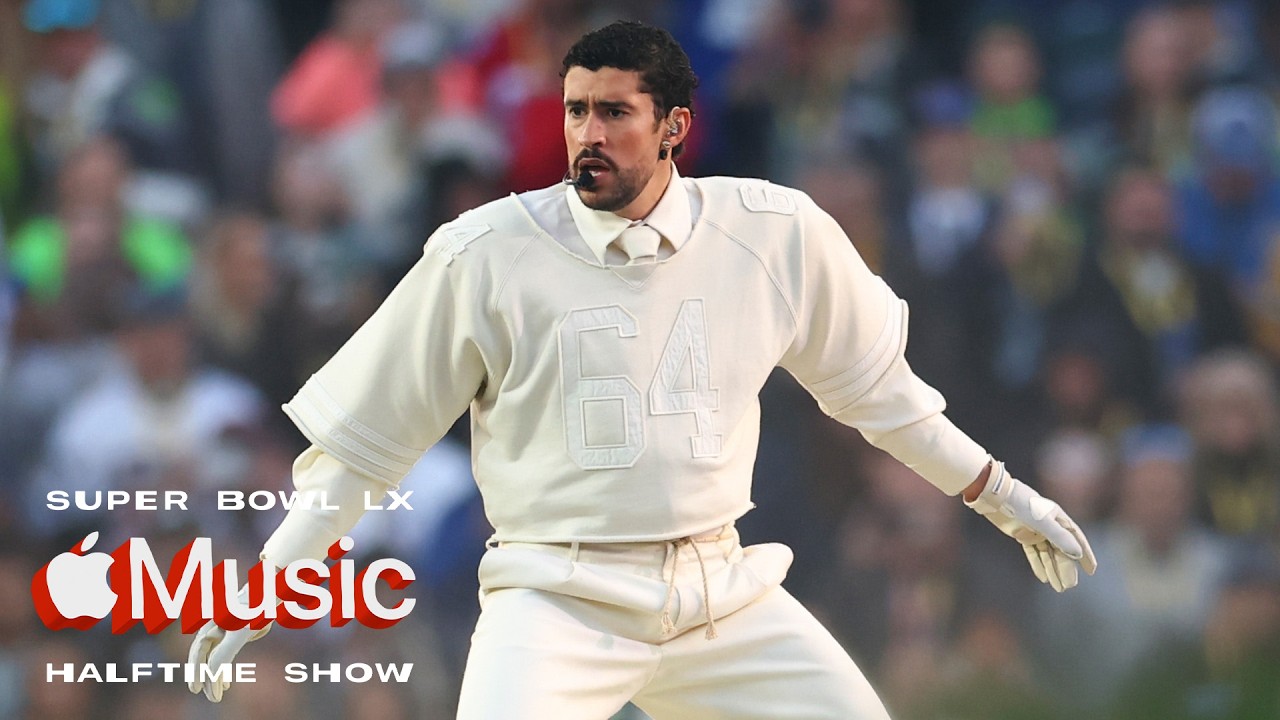
Two weeks ago, Benito Antonio Martinez Ocasio accepted the Grammy for Album of the Year and spoke mostly in Spanish. On Sunday, he performed the Super Bowl halftime show and didn't switch to English once. Between those two events, Donald Trump called his Super Bowl selection "absolutely ridiculous" and later rated his performance "one of the worst, EVER!"
Bad Bunny does not seem particularly bothered.
The album that made Grammy history
Debi Tirar Mas Fotos ("I Should Have Taken More Photos") became the first Spanish-language album to win Album of the Year at the 68th Grammy Awards on February 2, 2026. It beat Sabrina Carpenter, Billie Eilish, Kendrick Lamar, and Tyler, the Creator. The album also took home Best Musica Urbana Album and Best Global Music Performance for the track "EoO."
That last detail matters more than it might seem. The Recording Academy has given out Album of the Year since 1959. In 67 years, every single winner was primarily in English. Bad Bunny's album contains zero English-language tracks. Not a bilingual compromise, not a strategic feature with an American pop star. Just Puerto Rican music, sung in Spanish, about Puerto Rico.
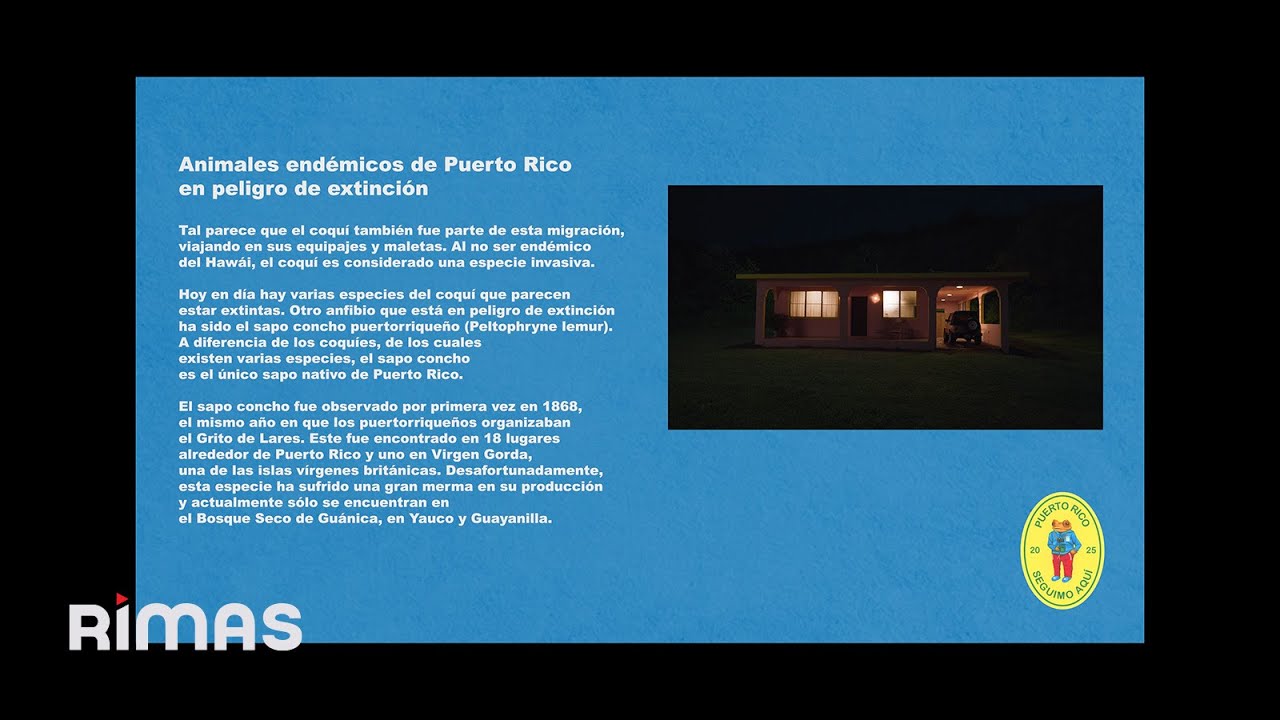
The album itself is a love letter to the island. "Lo Que Le Paso a Hawaii," the most streamed track, warns against the displacement of Puerto Ricans from their own land: "Don't let go of the flag nor forget the lelolai, because I don't want them to do to you what they did to Hawaii." Bad Bunny even brought historian Jorell Melendez-Badillo on board to ensure the album's political content held up to scrutiny.
What the streaming numbers say
According to Luminate data reported by Billboard, Debi Tirar Mas Fotos saw a 240% streaming increase the day after the Grammy win. Bad Bunny pulled in 36 million on-demand streams in 24 hours, a 117% jump over his prior Monday. Digital singles sales spiked 903%. Trevor Noah's English rendition of the album's title during the ceremony pushed the title track to 2.7 million streams, up from 733,000 the week before.
Those numbers tell a clear story: the Grammy win introduced Bad Bunny to millions of English-speaking listeners who had never pressed play on a Spanish-language album before. Whether they stick around is the real question.
The Super Bowl as cultural statement
If the Grammy was the credential, the Super Bowl halftime show was the megaphone. Bad Bunny performed 13 songs at Levi's Stadium in Santa Clara, California, on February 8. The entire set was in Spanish. He opened with a young man carrying a Puerto Rican flag through a field of sugarcane and the words: "Que rico es ser latino. Hoy se bebe." ("How sweet it is to be Latino. Today we drink.")
The production recreated a Puerto Rican street scene on the field: domino-playing viejitos, piragua vendors, coco frio stands, and a real boxing ring. Guests included Cardi B, Pedro Pascal, Jessica Alba, Karol G, and Young Miko. Lady Gaga appeared at a staged wedding, singing a salsa version of "Die With a Smile" with Los Sobrinos. Ricky Martin performed "Lo Que Le Paso a Hawaii." The crowd sang along.
"Mi nombre es Benito Antonio Martinez Ocasio," he told the crowd in Spanish, "and if I'm here today at Super Bowl 60 it's because I never, ever stopped believing in myself, and you should also believe in yourself. You're worth more than you think."
According to The Guardian, the set was "a dizzying reminder of the many pantheons of Puerto Rican legends" across reggaeton, salsa, and jibaro music. The AP called it "a landmark moment for Latinos." Country singer Kacey Musgraves tweeted: "That made me feel more proudly American than anything Kid Rock has ever done."
Ricky Martin and the weight of precedent
The day after the Grammys, Ricky Martin published an open letter in El Nuevo Dia, Puerto Rico's largest newspaper. "Benito, brother, seeing you win three Grammy Awards, one of them for album of the year, with a production entirely in Spanish, touched me deeply," he wrote. "Not only as an artist, but as a Puerto Rican who has walked stages around the world carrying his language, his accent and his history."
Martin knows this territory. His 1999 crossover hit "Livin' La Vida Loca" was in English. That was the understood price of mainstream American success for a Latin artist in the late '90s. Bad Bunny's refusal to translate is what makes this moment different. Martin recognized it: "You won without changing the color of your voice. You won without erasing your roots. You won by staying true to Puerto Rico."
The political backdrop nobody can ignore
Bad Bunny is one of the most openly political artists working in mainstream music today. Puerto Rico is a US territory whose residents cannot vote for President and have no Congressional representation. During the Grammy ceremony, he declared "ICE out" and said: "We're not savage, we're not animals, we're not aliens. We are humans, and we are Americans."
White House press secretary Karoline Leavitt responded by calling it "very ironic and, frankly, sad to see celebrities who live in gated communities with private security trying to demonize law enforcement public servants." Trump's "worst, EVER" tweet came two days later, after the halftime show.
This is not new ground for Bad Bunny. In 2019, he left a European tour mid-run to join protests against Puerto Rico's Governor Ricardo Rossello, who resigned after leaked messages revealed racism, homophobia, and mockery of Hurricane Maria victims. "It was my civic duty as a Puerto Rican," he told Harvard University that year.
Why this matters beyond music
The Grammy win and the Super Bowl performance happened during a period of intensified immigration enforcement in the United States. ICE raids have dominated news cycles. The political climate around language, identity, and belonging has grown hostile in ways that directly affect the communities Bad Bunny represents.
Against that backdrop, a Puerto Rican artist winning the Recording Academy's top honor with an all-Spanish album, then performing entirely in Spanish at the country's biggest sporting event, carries weight that goes beyond chart positions and streaming metrics. Bad Bunny dedicated his Grammy win "to all the people who had to leave their homeland, their country, to follow their dreams." That line landed harder than any song in the set.
There is a version of this story where a Latin artist compromises, adds English verses, softens the politics, plays it safe. Bad Bunny did the opposite. And 130 million people watched.
The 68th Grammy Awards aired February 2, 2026 on CBS. Super Bowl LX aired February 8, 2026 on Fox. For more Grammy coverage, read our K-pop Grammy analysis.